
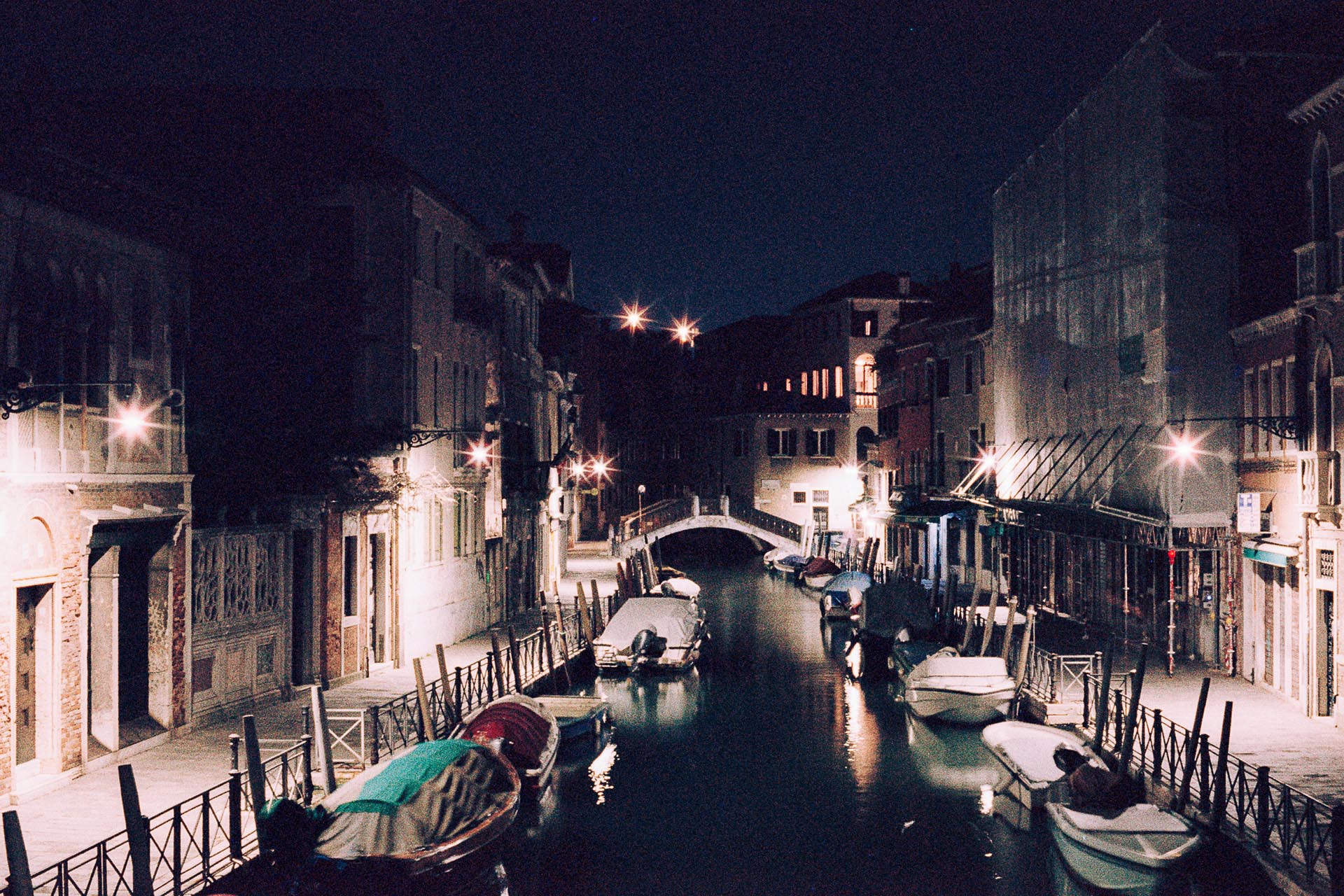


Vintage Tone 35mm/24
This high-quality 35mm film stands out with its rich tones and characteristic color palette. This 24-exposure film is an excellent choice for both amateur and professional photographers. Produced with ILFORD's years of experience, this film delivers exceptional results in every shot.
35mm Photographic Film: A Journey to the Heart of Analog Photography
35mm photographic film is an imaging method steeped in nostalgia, art, and technical expertise, transcending the modern digital age. At the heart of analog photography, this film format has been an indispensable creative tool for both amateur and professional photographers. Regaining popularity in the digital world, this format stands out with its natural color transitions, detailed texture, and rich tonal range.
What is 35 mm photographic film?
Key Differences Between Analog and Digital
Analog and digital photography differ fundamentally in how they record images. 35mm film physically records the image onto a roll with light-sensitive chemical layers, while digital cameras do this using electronic sensors. Analog photography places greater emphasis on detail, and each frame represents a special moment.
While photos taken with digital cameras can be viewed instantly, analog films don't show the final result until they're developed. This adds patience to the process and offers the user a more planned shooting experience. Furthermore, the natural grain and contrast of analog film give the artist's visual expression a distinct character.
History of the 35 Mm Film Format
35mm photographic film was first developed for the film industry in the late 1890s. Over time, it became a suitable format for both amateur and professional photographers. The introduction of portable 35mm cameras by Leica in 1925, in particular, revolutionized the world of photography.
Becoming the standard format for photography throughout the 20th century, 35mm film stood out for its ease of use and high image quality. Today, many artists and photography enthusiasts still prefer this classic method, seeking to capture nostalgic and striking images.
Why Choose 35mm Photographic Film?
Image Quality and the Power of Detail
35mm photographic film offers a richer tonal range compared to digital sensors. The chemical composition of the film's substrate allows it to retain subtle light nuances, resulting in highly satisfying images in terms of natural light transitions and color saturation. This provides a significant advantage, especially in emotionally charged shots like portraits and nature photography.
The organic grain texture imparted to the image provides a more natural visual experience, in contrast to the artificial sharpness found in digital photographs. In professional prints, the power of detail is further emphasized; a photograph printed on analog film is aesthetically distinct from high-resolution digital prints.
Film as a Form of Artistic Expression
Analog photography is a process that allows the photographer to imbue each frame with meaning through conscious decisions. The careful use of values such as exposure, aperture, and ISO, as well as the film's sensitivity and its relationship with light, directly influences the artist's expressive language. 35mm film is not just a recording medium; it is also a form of expression.
The discipline of working with film teaches trial and error and encourages patience. The fact that each frame has a cost pushes the photographer to work more creatively and systematically. This, in turn, contributes to the development of a more original perspective over time.
Popular 35mm Film Genres
Color Negative Films
Color negative films are the most commonly used type of film. The captured images are developed in laboratories using the C-41 chemical process. Thanks to their wide exposure tolerance, these films provide ideal results in both outdoor and studio settings.
Take a Shot offers its users practical and accessible analog film options in this field with ILFORD ILFOCOLOR 35 mm color negative films.
Black and White Films
Black and white film is a timeless and classic choice for those who want to get to the essence of photography. It offers much more dynamic results in terms of contrast, tonality, and depth of shadow compared to digital alternatives. It is preferred for photographs with high expressive power.
Ilford is among the most popular black and white film brands. Offering varying levels of contrast, these films allow for the capture of dramatic and impactful images in any setting.
Reverse (Positive) Films
Slide films, also known as reverse or positive films, are processed with an E-6 chemical bath and produce directly positive images. Known for their color accuracy and high contrast levels, these films are impressive for photographers shooting in natural light.
Positive films deliver superior results in landscape and architectural photography. Their low exposure tolerances require careful metering, but the resulting color saturation and sharpness are impressive.
Important Considerations When Using 35mm Photographic Film
Correct Lighting Settings
Correct exposure is critical when shooting with 35mm film. The film's ISO value is fixed when purchased; therefore, the camera's shutter speed and aperture settings must be carefully adjusted. Overexposed images can lead to loss of detail, while underexposed images can result in dark and unusable shots.
While most analog cameras have light meters, having an external light meter or knowledge of basic exposure techniques is advantageous. Every stop can have a significant impact, especially with sensitive types of film like slide film.
Film Storage and Shelf Life
35 mm films are sensitive to temperature, humidity, and light. If not in use, films should be stored in the refrigerator at 5–8°C. Films left exposed may lose color over time and the image quality may deteriorate. Working with films close to their expiration date will prevent undesirable results.
The shelf life for unused films ranges from 2 to 5 years from the date of production. Developed but unscanned films should be stored rolled up in a dark, dry place. This way, negatives can be preserved for years without deterioration.
Film Developing and Scanning Process
The 35mm film you've shot must be developed using the correct process and appropriate chemicals. There are different types of developing baths, such as C-41 for color films and D-76 or Rodinal for black and white films. Developing at home can be inexpensive, but it requires chemical knowledge.
If a developed film reel is to be digitized, high-resolution film scanners or professional laboratories should be preferred. Scanning quality is important in terms of color accuracy, dynamic range, and dust removal. For best results, work should be done with clean lenses and anti-static brushes.
Common 35mm Film Cameras
Suitable Models for Beginners
For those new to analog photography, 35mm cameras offer ease of use and are very useful for learning the process. Models with automatic exposure and focusing features make things easier for beginners.
Learning basic analog principles is easy when shooting with these cameras. Furthermore, the wide range of lenses allows for working with different lenses later on.
Film cameras can be found at very reasonable prices second-hand, and spare parts are still actively available. This provides a great advantage for those who want to step into the analog world.